
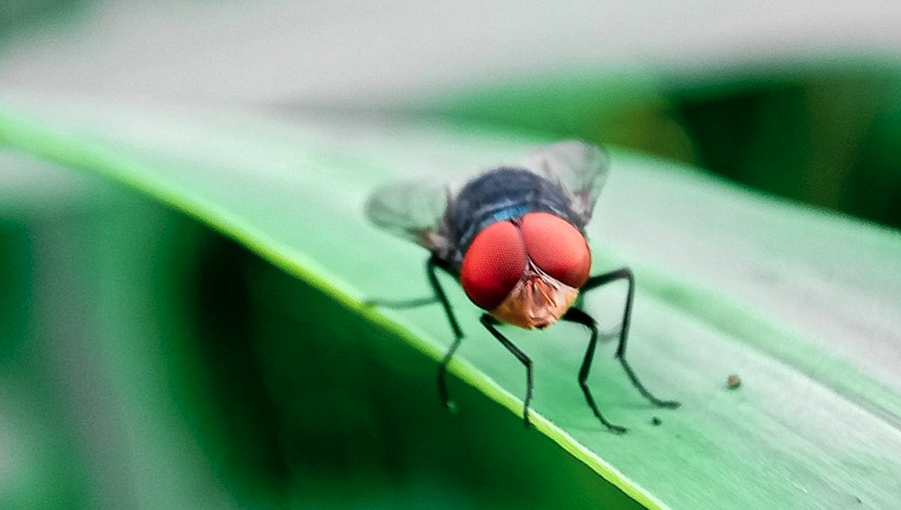
The Animal and Plant Health Inspection Service has confirmed new detections of the New World screwworm. These pests are dangerous because they feed on the living flesh of warm-blooded animals. Officials are now tracking the spread to keep livestock and pets safe from the outbreak.
What is the New World screwworm?
The New World screwworm is a type of fly that lays its eggs in the open wounds of animals. When the eggs hatch, the larvae eat the skin and muscle of the host. This can lead to severe pain, infections, and even death if the animal does not get treatment. Farmers and pet owners must watch their animals closely for any signs of small sores that do not heal.
These flies are different from most other blowflies because they do not just eat dead tissue. They prefer living animals, which makes them much harder to control once they enter an area. History shows that these pests can destroy entire herds of cattle very quickly. Staying informed about the 2026 United States New World Screwworm outbreak helps people understand the risks involved with this current situation.
How are officials tracking the detections?
The Animal and Plant Health Inspection Service uses several tools to find and stop these flies. They set traps in high-risk areas to catch adult flies before they can lay more eggs. Once a fly is caught, experts look at it under a microscope to confirm the species. This process ensures that the government knows exactly where the threat is moving next.
- Experts collect samples from infected animals to check for larvae.
- Officials monitor movement of livestock between different states.
- Teams work with local vets to report any suspicious wounds.
- The government may release sterile flies to stop the population from growing.
Why do these detections matter to you?
If you own a dog, cat, or horse, this news is very important for your daily routine. Even a small scratch from a fence or a tick bite can become a place for a fly to lay eggs. You should check your animals every day for any bumps or wet spots on their skin. Early treatment is the only way to save an animal once the larvae begin to grow inside the wound.
For the general public, this can also impact the price of food at the grocery store. When livestock like cows and pigs get sick, farmers lose money and the supply of meat goes down. This often leads to higher prices for everyone at the checkout line. Keeping the screwworm away helps keep the economy stable and protects our local food sources from disappearing.
What should you do next?
The best thing to do is stay alert and report any strange insects or animal wounds to your local vet. Do not try to treat a suspected screwworm infection by yourself with home remedies. Professional help is needed to make sure all the larvae are removed safely. You can also help by not moving animals across state lines without the proper health papers and checks.
In the coming weeks, watch for more updates from the Animal and Plant Health Inspection Service. They will share maps and data to show if the pest is moving into new counties. Following these rules helps protect the wildlife and the pets we love from a very painful condition. We must all work together to stop this pest before it spreads any further into our communities.