
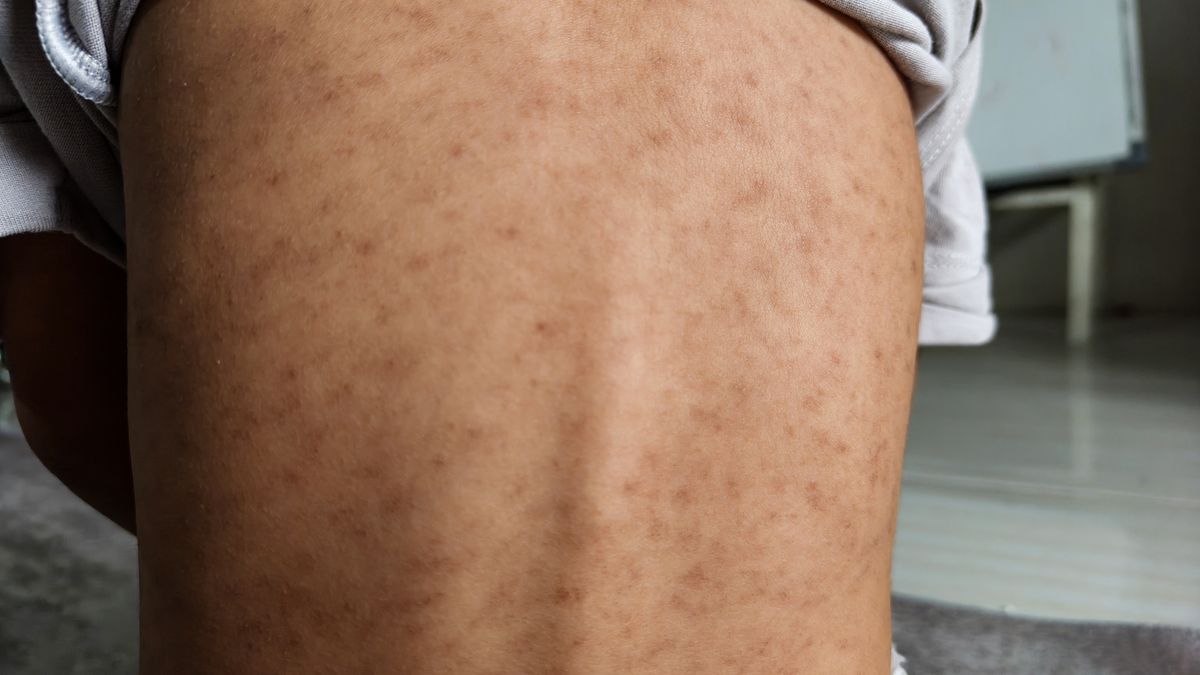
The Centers for Disease Control and Prevention is reporting new measles cases and outbreaks across the United States. This news comes as health officials track how the virus spreads through different communities. It is important for families to stay informed about these health updates to keep their children safe.
What are the current measles cases and outbreaks?
The CDC keeps a close watch on every new report of this virus. Measles is a very strong disease that travels through the air when an infected person coughs or sneezes. Because it spreads so fast, even a few cases can quickly turn into a larger outbreak in schools or neighborhoods. Health experts use this data to warn the public and help doctors prepare for new patients.
When an outbreak happens, it usually means a group of people in one area got sick at the same time. The government tracks these numbers to see if the virus is moving to new states. You can look at the history of these events by reading about the measles resurgence in the United States over the last few years. Knowing where the virus is helps people decide if they need to take extra steps to stay healthy.
Why is the measles virus spreading now?
Measles spreads most often when people have not had their shots or when they travel to places where the virus is common. Since it is one of the most contagious diseases known to man, it finds unprotected people very easily. If one person has it, almost everyone close to them who is not immune will get sick too. This is why the CDC focuses so much on tracking every single case they find.
- Measles can stay in the air for up to two hours after a sick person leaves a room.
- The virus causes a high fever, cough, and a red rash all over the body.
- Most outbreaks start when someone catches it while traveling in another country.
- Health officials work fast to find everyone who stood near a sick person.
What should families do about measles outbreaks?
The best way to handle this news is to check your own health records. Doctors say that being up to date on shots is the only way to stop the virus from spreading further. If you live in an area with an active outbreak, you should watch for symptoms like a fever or a runny nose. Calling your doctor before you visit the clinic helps them keep other patients from getting sick while you wait.
Looking back at past events can help us understand what might happen next. For example, many people still talk about the 2019, 2020 measles outbreaks which saw a very high number of cases. By learning from the past, health workers can do a better job of stopping the virus today. Staying calm and following the advice from the CDC will help keep your community safe during these times.
What happens next with the CDC reports?
The CDC will continue to update their website as more information comes in from state health departments. They look at the age of the people getting sick and where they live to spot patterns. This data helps them send help to the cities that need it the most. As long as cases are being found, the government will keep sharing these reports with the public.
In the coming weeks, we might see more news about how schools are handling these health concerns. Some places might ask students to stay home if they are not protected against the virus. Keeping an eye on local news and the official CDC reports is the best way to stay ahead of the situation. We must all work together to make sure these outbreaks do not grow into a bigger national problem.