
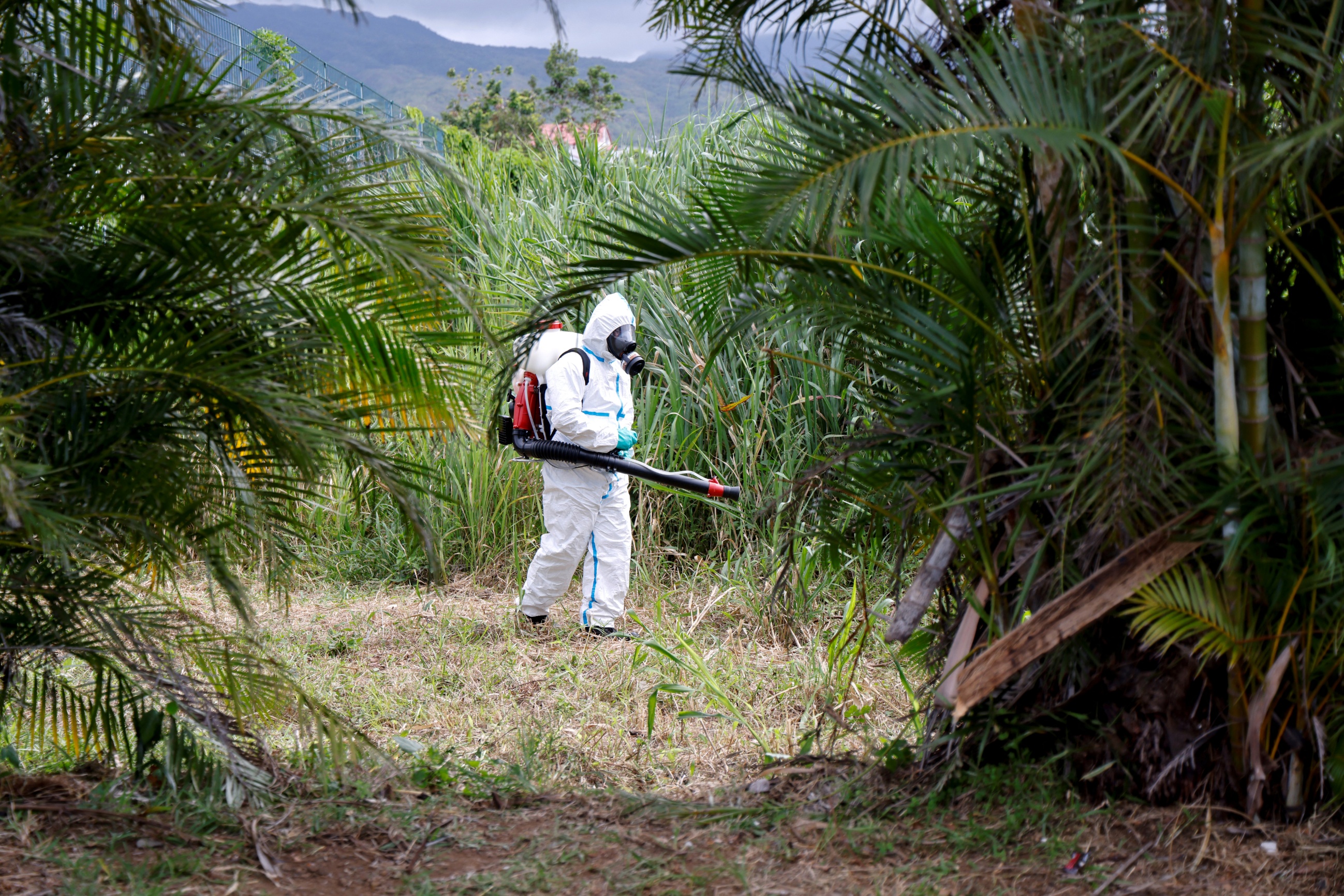
The Centers for Disease Control and Prevention just issued a new update on chikungunya in the United States. Health officials want Americans to know how the virus spreads and what signs to watch out for. This update helps doctors and families stay alert as mosquito season continues across the country.
What is chikungunya?
Chikungunya is an illness that people get from the bite of an infected mosquito. The most common signs of the disease are a sudden fever and severe joint pain. People who get sick may also experience headache, muscle pain, joint swelling, or a rash on their skin.
Most patients start to feel sick three to seven days after a mosquito bites them. While most people feel better within a week, the joint pain can sometimes last for months. Deaths from this illness are very rare, but the symptoms can be severe and make daily tasks very hard to do.
How does the virus spread to people?
Mosquitoes pick up the virus when they feed on a person who already has it in their blood. Then, those mosquitoes spread the virus to other people when they bite again. The mosquitoes that spread this illness usually bite during the day, especially in the early morning and late afternoon.
To keep yourself and your family safe from mosquito bites, health experts suggest simple daily habits:
- Apply an approved insect repellent on exposed skin when you go outside.
- Wear loose long-sleeved shirts and long pants to cover your arms and legs.
- Empty standing water from flower pots, buckets, and bird baths around your yard.
- Keep window and door screens closed tightly and fix any holes right away.
What happened before this update?
In past years, health officials have tracked cases across the Americas and the Caribbean. A major wave of illness hit the region during the 2013, 2014 chikungunya outbreak, which spread rapidly to many travel spots. Since that time, medical experts in North America have watched travel patterns closely to catch local cases early.
Most cases reported in the United States occur in travelers who return home from countries where the virus is common. However, local spread can happen if local mosquitoes bite an infected traveler and then bite other residents. This is why public health departments keep a close watch on the insect populations in towns and cities across the nation.
What to watch next for your health
Doctors advise anyone who develops a sudden fever and joint pain after traveling to see a clinic right away. A simple blood test can help your doctor find out if your illness comes from this specific virus. Getting checked quickly also helps local health teams know if the virus is active in your neighborhood.
Federal health leaders will continue to update their case counts as new laboratory tests come in. You can protect your home today by clearing out standing water where pests breed. Staying informed about community health alerts is the best way to keep your family safe all summer long.